


Bratz Illusions vs. Monster High: Which Brand Did Spooky Fashion Better?
- nicoledollhouse

- Jun 3
- 3 min read
Published by PaperDoll | Estimated Read: 7 mins

In the mid-2000s and early 2010s, a quiet revolution was taking place in the fashion doll aisle. The traditional monopoly of bright pastel pinks, dreamhouses, and ballroom gowns was shattered by a sudden wave of subversion painted in shades of deep plum, toxic green, and midnight black. For years, collectors, fashion subculture enthusiasts, and toy historians have fiercely debated which generation-defining franchise truly deserves the crown for alternative, dark street-style clothing: MGA’s cult-classic Bratz Illusions or Mattel’s powerhouse monster universe, Monster High.
While Monster High built an entire multimedia empire around the literal premise of being a teenage monster, Bratz dipped their perfectly manicured toes into gothic supernaturalism with their legendary 2004 Bratz Illusions line, alongside adjacent seasonal releases like Midnight Dance and their iconic Halloween collections. Today, we are ripping these designs apart seam by seam, analyzing fabric choices, counter-culture authenticity, and visual design metrics to find out who executed alternative fashion with the highest level of style and integrity.
The Bratz Illusions Formula: Runway Gothic Realism
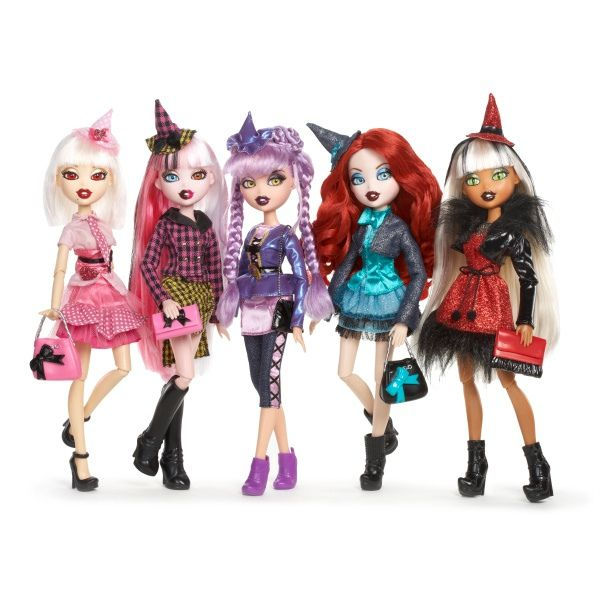
Bratz always held an inherent structural edge over contemporary play-line dolls because their baseline fashion ethos was lifted directly from real-world subcultures, music videos, and high-fashion runways. When MGA dropped the Bratz Illusions and Midnight Dance collections, they weren't just slapping a pair of plastic cat ears on a character and calling it a day. Instead, they tapped directly into the late-90s and early-2000s Mall Goth, Industrial, Punk, and Romantic/Victorian alternative subcultures.
The garment execution was astonishingly authentic for a toy aimed at older children and pre-teens. Collectors were treated to multi-layered lace skirts, vinyl corsetry accents, miniature silver metal grommets, functional fishnet layering, and dramatic bell sleeves. The makeup was equally daring for the era: striking, pale, matte complexions paired with stark, deep burgundy or black lips, heavy smoky eye shadow contours, and dark hair decorated with micro-fringes. Bratz Illusions approached alternative style with absolute seriousness. The characters looked less like toys and more like the teenagers hanging out outside a local rock show or an indie gothic boutique.

The Monster High Formula: Character-Driven Concept Art
Mattel approached the dark aesthetic from a completely reversed design philosophy. Instead of outfitting realistic human teenagers in alternative clothing, they integrated the fashion explicitly into each monster's folklore and narrative DNA. Draculaura wasn't just a girl wearing alternative apparel—her signature wardrobe was a masterfully calculated fusion of Harajuku pastel goth, Victorian vampire tier-layering, and safety-pin street punk.
Where Monster High completely dominated the competition was in their unrivaled accessory worldbuilding. Every shoe, purse, headband, and piece of plastic jewelry told a story. A heel on a boot wasn't just a platform; it was sculpted like a wooden stake for a vampire, an active hourglass for a ghost, or a clear water-filled tank with a miniature goldfish for a sea monster. The color palettes were high-contrast and neon-tinged, meticulously engineered to pop vividly under harsh retail department lights while maintaining a distinct, instantly recognizable silhouette.
The Structural Showdown
Design Metric | Bratz Illusions & Midnight Dance | Monster High (Signature Waves) |
Fabric Quality & Realism | Excellent. Utilized genuine fishnet meshes, rich velvet textures, layered lace, and real metal jewelry. | Highly creative silhouettes, but frequently substituted complex textile layers with screen-printed patterns. |
Subcultural Authenticity | 10/10. An uncompromised, highly accurate mirror of actual 2000s Mall-Goth and Whimsigoth culture. | 8/10. Incredibly brilliant but noticeably brightened and sanitized for a broader play-line toy market. |
Accessories & Detailing | Classic and atmospheric. Focused on silver chains, chokers, and detailed leather-look purses. | Flawless. Every item was a bespoke narrative tool, from coffin-shaped smartphones to lore-accurate heels. |
The Final Verdict
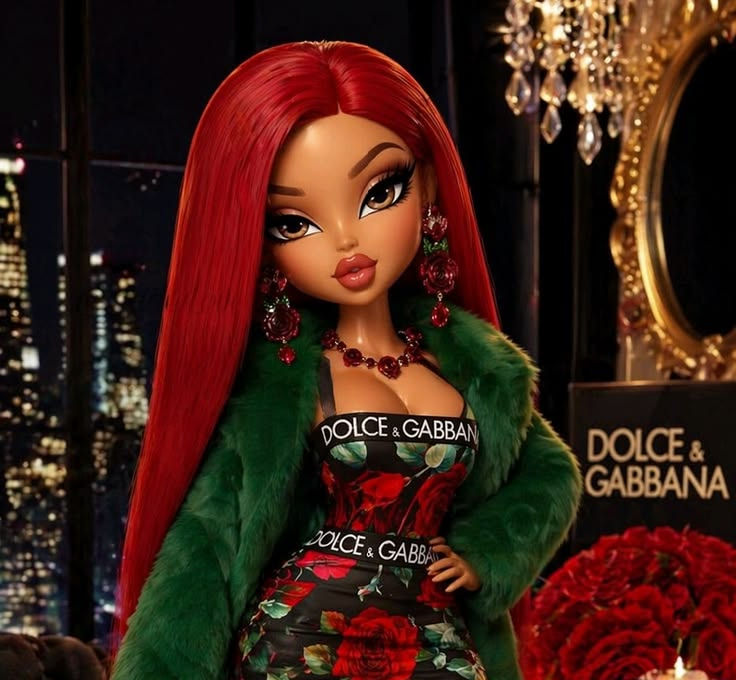
Determining a winner depends entirely on your personal definition of fashion excellence. If you evaluate spooky fashion by how accurately and respectably it honors real-world alternative subcultures, Bratz Illusions takes the crown without question. They offered authentic, raw, and moody alt-fashion that fans could directly recreate in their own wardrobes.
However, if you evaluate it by raw imaginative creativity, iconic character silhouettes, and unparalleled visual storytelling, Monster High stands undefeated. Monster High didn't just borrow alternative fashion—they reimagined it entirely, launching a new wave of "spooky-cute" that defined an entire generation of collectors.
Join the Fashion War:
Are you a purist for Bratz's realistic, moody 2000s goth aesthetics, or do you live for Monster High's high-octane neon runway concepts? Leave a comment below and defend your choice!


Comments